Save Coyote Creek
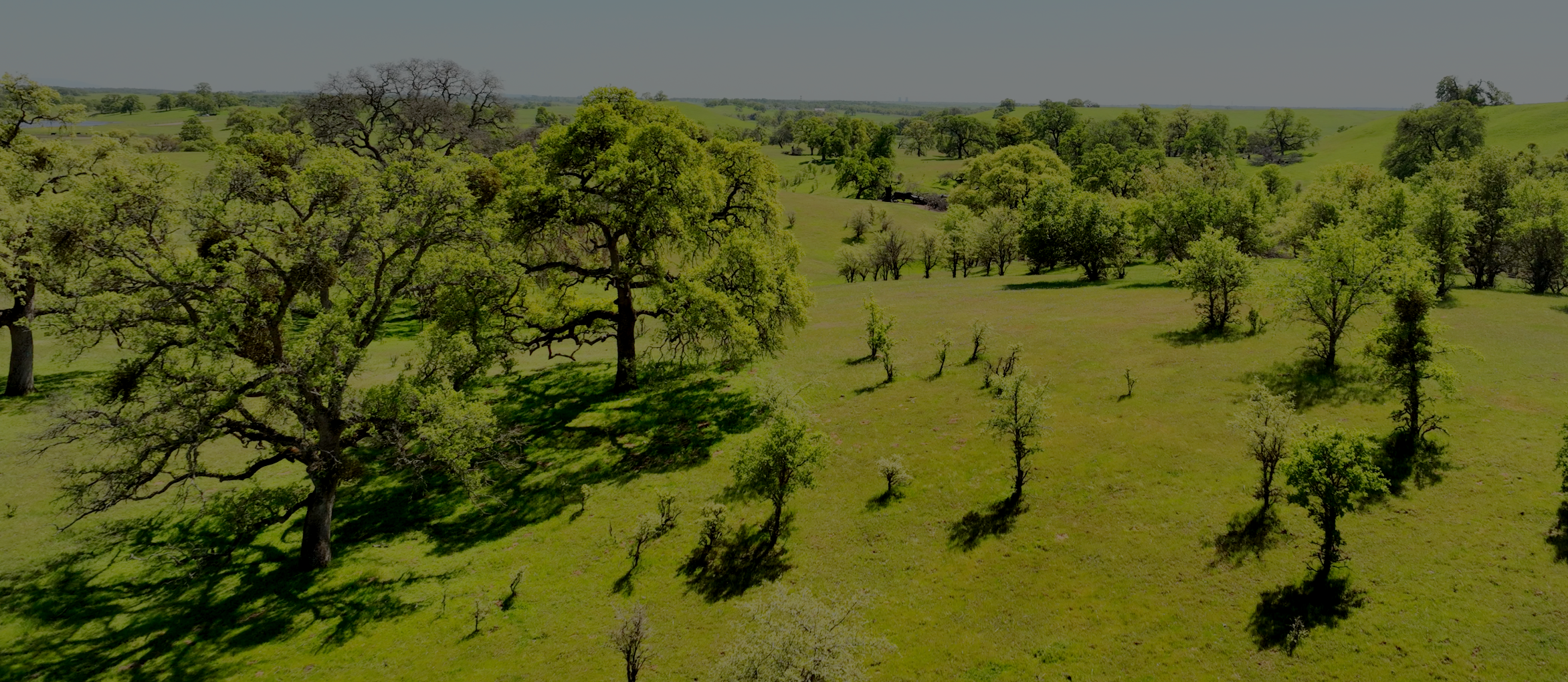
Save Thousands of Trees
Our organizations strongly support renewable energy and SMUD’s zero carbon goals. However, where renewable energy is developed and how zero carbon goals are achieved matter. The proposed Coyote Creek Agrivoltaic Ranch Project site is profoundly inappropriate, and we adamantly oppose this project at this location. We do not take this position lightly, and this is the only utility-scale solar project in the region that our organizations have opposed.
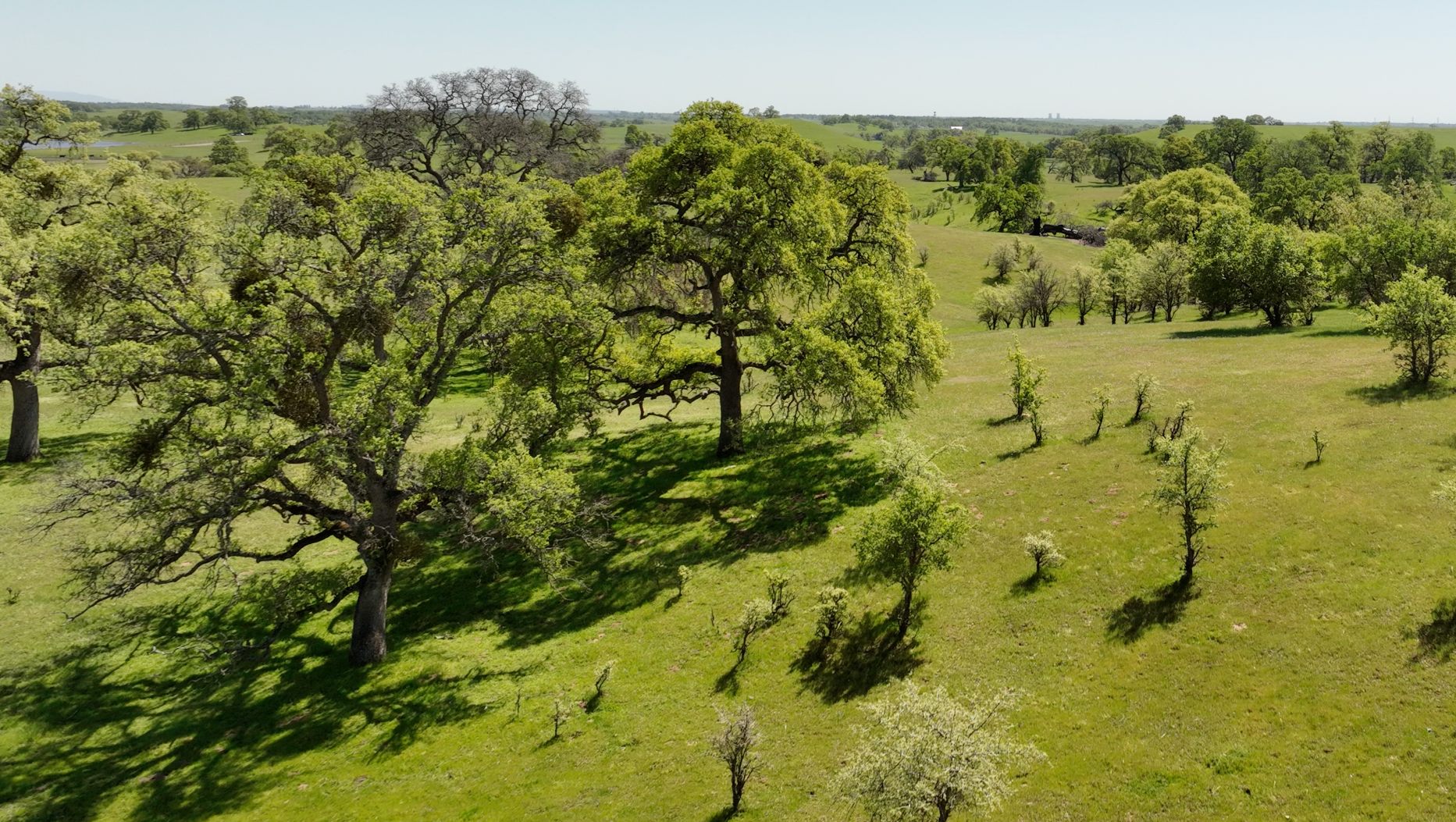
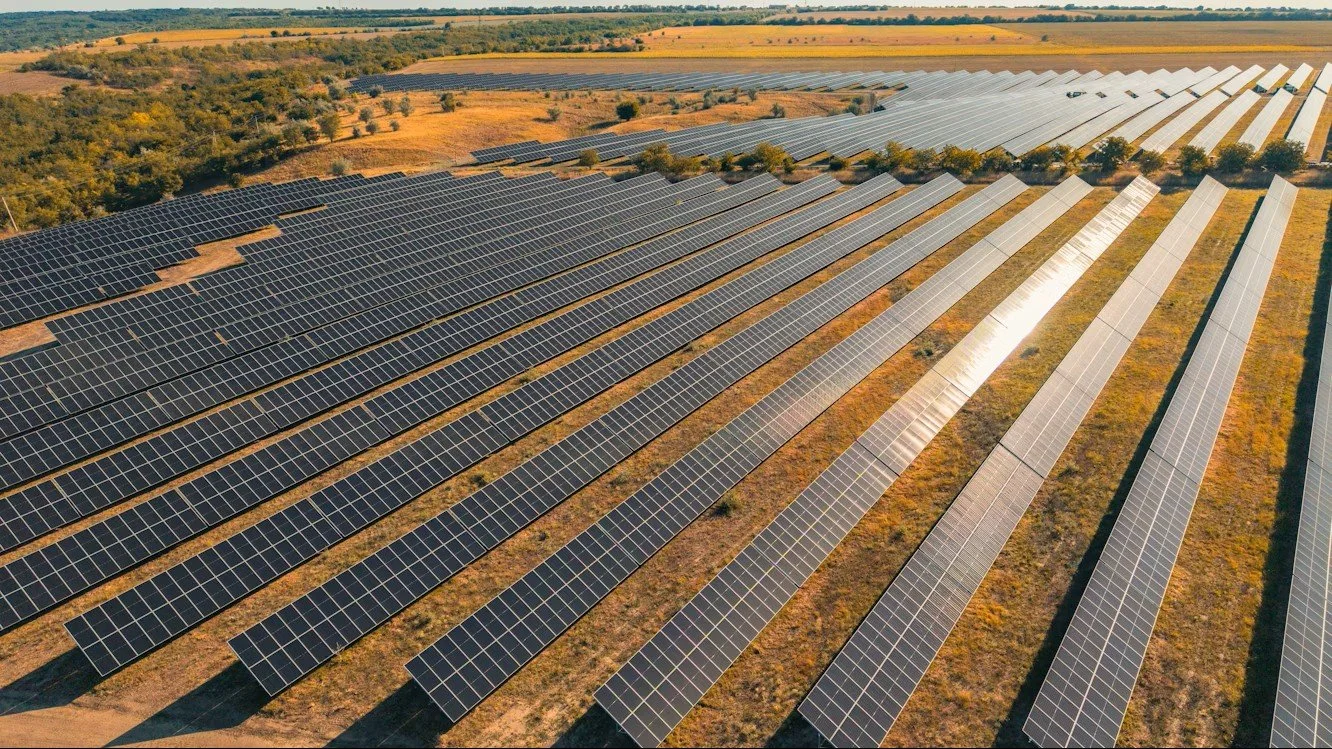
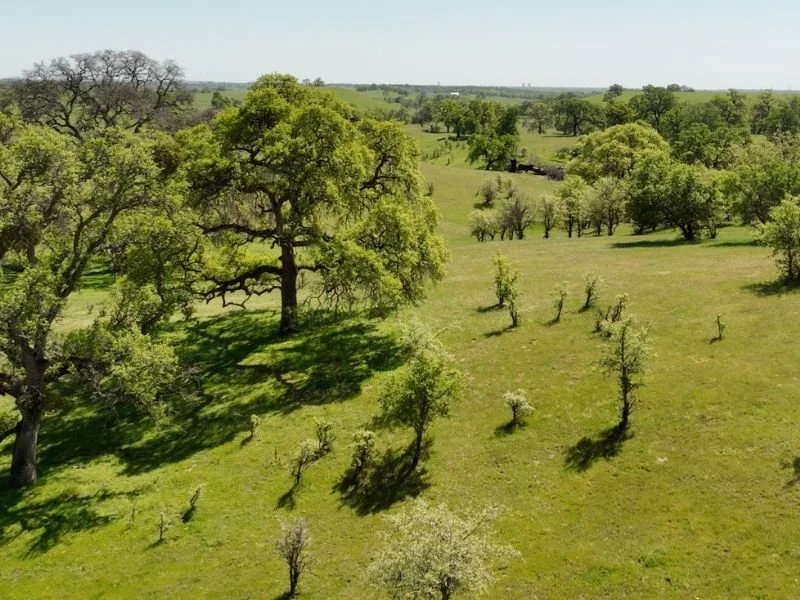
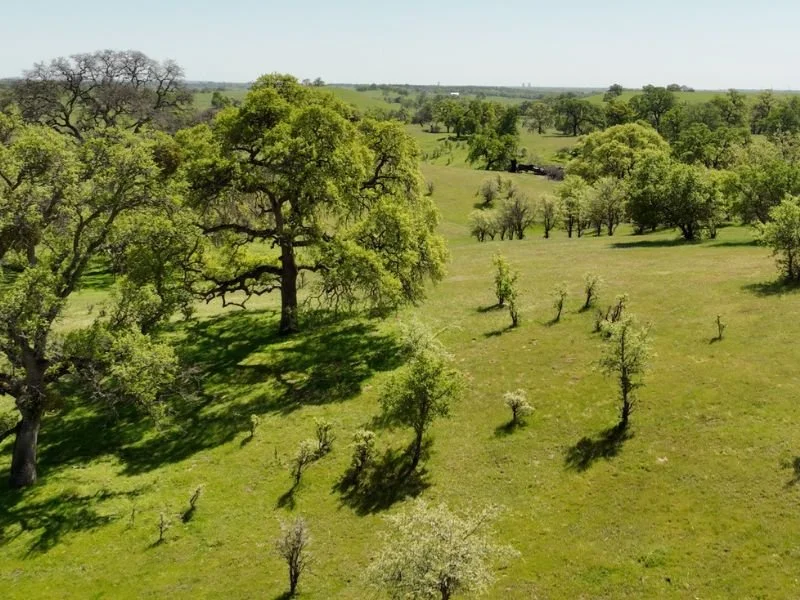
Some of the highest quality oak woodland habitat remaining in Sacramento County would be cut down, the rolling hills would be graded, and over 400,000 solar panels would be installed.
Press Updates
-
![]()
A Fighting Chance for Oaks
CNPS Flora
Mounting opposition to a planned solar energy project in Sacramento County suggests a new urgency in the effort to protect oak habitats throughout the state.
-
![Official Quiet Warrior Racing Blog]()
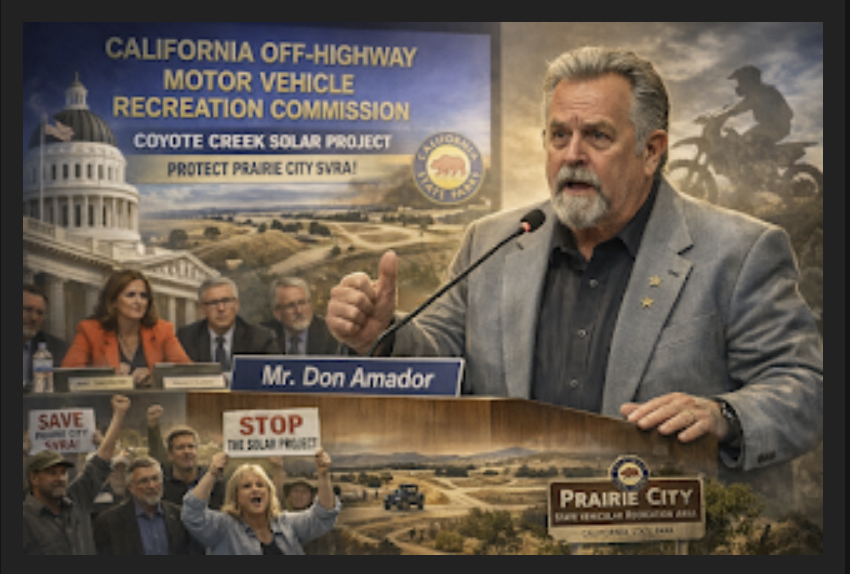
CA OHV COMMISSION SHIFTS TRAJECTORY OF COYOTE CREEK SOLAR PROJECT
Quiet Warrior Racing Blog
In his testimony, Amador directly connected the Commission’s actions and oversight to the broader chain of events that reshaped the future of the proposed Coyote Creek Solar Project adjacent to Prairie City SVRA.
-
![]()
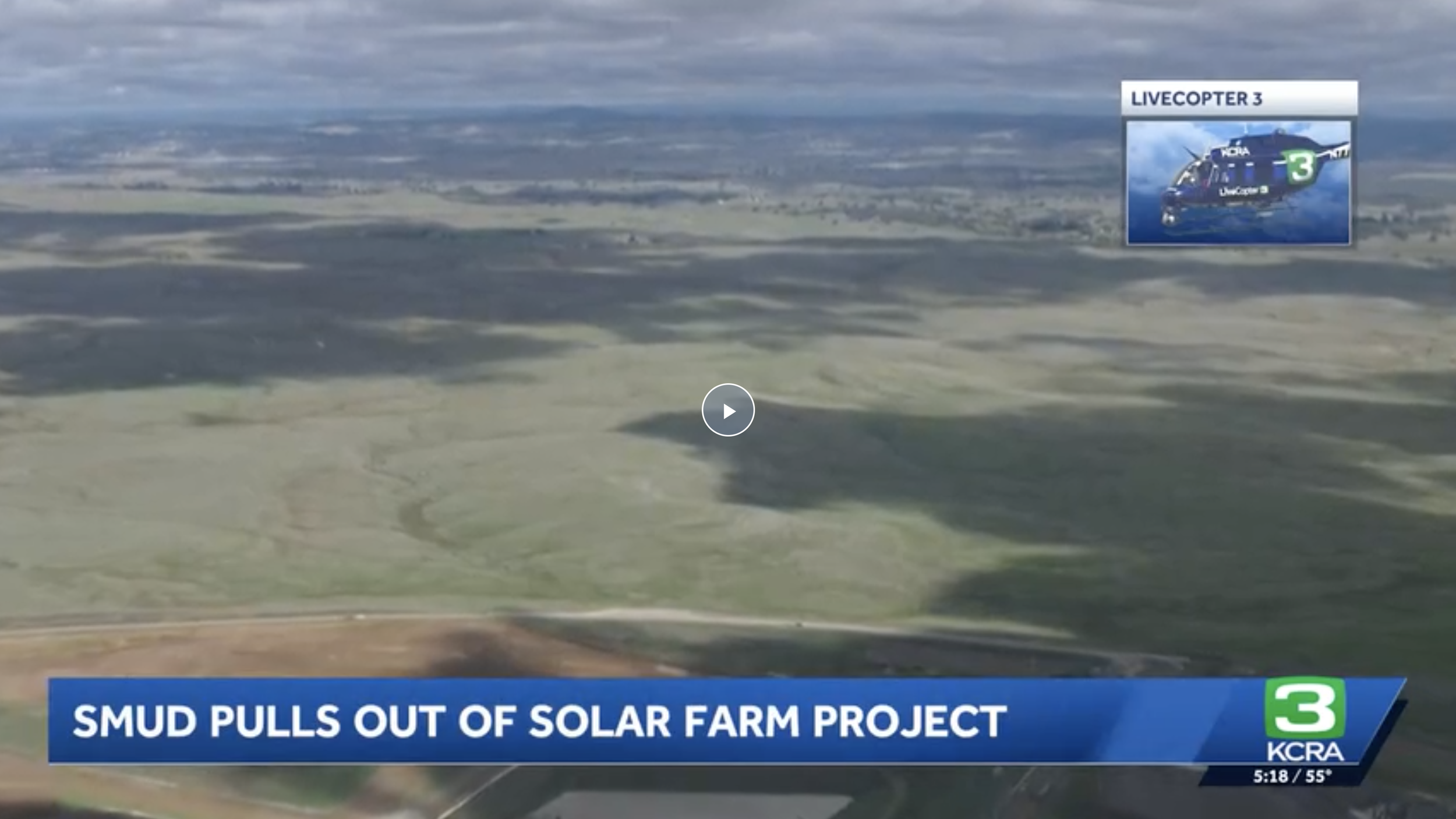
SMUD says it will not purchase power from proposed Sacramento County solar farm project
KCRA 3
…the utility now listed multiple reasons against moving forward with the purchase. Those include "supply chain constraints, rising prices, tariffs, schedule delays, environmental impacts and pending litigation."
-
![Coyote Creek]()
Updated: SMUD cancels controversial Coyote Creek Project PPA that would remove 3500 trees
DAILY KOS
This is a partial victory for the environmental groups and Indian Tribes, including the Shingle Springs Band of Miwok Indians and the Wilton Rancheria, who opposed the project that would remove nearly 3500 trees from habitat draining a tributary of Deer Creek, in turn a tributary of the Cosumnes River, the last undammed Central Valley river.
-
![]()
Opponents welcome move as SMUD exits Coyote Creek solar project, lawsuit remains
ABC 10
SACRAMENTO COUNTY, Calif — SMUD is pulling out of a controversial solar project east of Rancho Cordova that sparked months of backlash and a lawsuit.
-
![]()
SMUD cancels Coyote Creek PPA
SMUD
In 2021, SMUD signed a power purchase agreement (PPA) with D.E. Shaw Renewable Investments (DESRI) to be an off taker of solar power from the Coyote Creek Agrivoltaic Ranch project. Due to project uncertainties, SMUD announced today that they will not be purchasing power from the Coyote Creek project. Some of the uncertainties include: supply chain constraints, rising prices, tariffs, schedule delays, environmental impacts and pending litigation.
-
![]()
Joint Lawsuit to Protect Prairie City SVRA and California’s OHV Recreation System
CAL4WHEEL
California Four Wheel Drive Association (Cal4Wheel), American Sand Association (ASA), and BlueRibbon Coalition (BRC) have filed a joint lawsuit challenging Sacramento County’s approval of the Coyote Creek Agrivoltaic Ranch solar project, citing widespread legal and procedural failures in the County’s environmental review.
-
![]()
New Lawsuit Challenges Sacramento County’s Coyote Creek Decision
CALIFORNIA NATIVE PLANT SOCIETY
The organizations cited numerous deficiencies in the project’s Final Environmental Impact Report (FEIR), and warned county officials ahead of the Nov. 18 Sacramento County Board of Supervisors vote that the report “is so deeply flawed that it is insufficient to support informed decision-making.”
-
![]()
Environmental groups sue Sacramento County over Coyote Creek solar project
SACRAMENTO BEE
The lawsuit, filed Thursday, follows last month’s decision by the Sacramento County Board of Supervisors to approve the Coyote Creek Agrivoltaic Ranch Project despite strong opposition from tribal communities, environmental advocates and conservation groups.




Help Fund the Fight!
Please donate to help the environmental and OHV communities litigate the decision to approve this project. The Sacramento Valley Chapter of the California Native Plant Society is administering these donations, there is a sharing agreement with all parties that end up being involved in legal action.
TAKE ACTION NOW
This proposed project is located in eastern Sacramento County between Prairie City SVRA and the Deer Creek Hills Preserve. It proposes to remove 1,357 acres of native habitat for the installation of a large solar farm. It will remove over 3,500 oak trees and fragment and disturb vernal pool and grassland habitats. Impacts to habitat and species are provided in more detail below under Project Impacts.
On November 18, 2025 over 150 concerned citizens showed up to give nearly five hours of testimony with HUNDREDS more in attendance. Despite overwhelming public outcry in opposition to this project the Sacramento County Board of Supervisors voted 5 - 0 to approve this destructive and ill conceived project guised as "green energy." Green energy should not come at the cost of the highest quality and most biodiverse habitats we have left in Sacramento county.
On December 9, 2025 over 250 community members came together to learn more about next steps, to stay engaged, and to help provide input and ideas on how we can mobilize the energy and COMMUNITY that came together organically in opposition to this project and the unjustified decision to approve this. Working together there are still many opportunities to stop this atrocity!
How Can You Help?
Join, support, and volunteer for the environmental, OHV, and community organizations that have been fighting to stop this project!
If you are a Sacramento Municipal Utilities District (SMUD) customer let them know that this is NOT green energy and that creating a "Clean PowerCity" at the cost of thousands of oaks in some of the best remaining oak woodland habitat is unacceptable. If you are a SMUD Greenenergy customer let them know that these extra dollars on your monthly bill should not be funding habitat destruction. Urge them to walk away from the power purchase agreement given that power was supposed to be delivered by the end of 2023, and the price of power will need to be renegotiated. See the SMUD Board Meeting schedule. See the “Meetings and Events” and “Talking Points” pages for more information, and check out our power purchase agreement Talking Points and Presentation Slides.
The California Department of Fish and Wildlife (CDFW) will need to issue Incidental Take Permits (ITPs) for Threatened and Endangered species that will be impacted by the project, and permits for the impacts to the steams and creeks that will be impacted, let them know that we do not support this project! See the Fish and Game Commission Meeting Schedule to speak during the "General Public Comment" agenda item. See the “Meetings and Events” and “Talking Points” pages for more information.
Urge state parks to not approve the easements needed for the gen-tie line (electrical lines that connect the the project to the grid) and the switchyard that would encroach onto the Prairie City SVRA property, and let them know that placing industrial scale facilities immediately adjacent, or within, our State Parks is unacceptable! See the OHMVR Commission and the California State Parks and Recreation Commission meeting schedules. See the “Meetings and Events” and “Talking Points” pages for more information.
Start fundraising! There were so many great ideas at the December 9th public meeting; art actions, comedy shows, community theater, tabling at colleges and events, and talking to community members. Share the QR codes and donation links, share them widely, and ask those that you share it with to share it again, and again! Start setting up your own fundraising events! Our Instagram friends @sacramentofoodforest, @talknerdytomecalifornia, and @savecoyotecreek can help get the word out! Links to their other accounts can be found in the “Links and Resources” page.
Keep engaging. Your voice matters, comment on other projects in you community, engage early, engage often, let your voice be heard.
Gather Data!
Does the Sacramento Tree Foundation have a proven track record in their mitigation efforts? What other projects have they been responsible for mitigating? Have these other efforts been successful? Has the Sacramento Tree Foundation been submitting required mitigation and monitoring reports?
Is the county following through mitigation requirements, are these efforts successful? We can work together to gather information on other county approved oak mitigation efforts, who has been contracted to do the on the ground work, and what the status of these efforts are, and if the county is enforcing these mitigation requirements.
Is it typical for the Sacramento Board of Supervisors to approve projects that aren't compliant with the General Plan and other county policies? Can we find other examples of the Sacramento County Board of Supervisors not following county policies and ordinances in the approval of other projects?
Where else is this happening? Can we find examples of other cities or counties that are approving the destruction of high quality habitat, especially of oak woodlands, to achieve development goals?
Stay tuned for more information on how to engage in these efforts!
PROJECT IMPACTS
Learn more on the “Talking Points” and “Links and Resources” pages
Oaks and Oak Woodlands - The Coyote Creek Agrivoltaic Ranch proposes to remove nearly 3,500 trees and develop 1,357 acres of relatively undisturbed habitat across 2,704 acres of the Barton Ranch Property south of Hwy 50 along Scott Road. Most of these trees would be mature blue oaks, including 1,762 heritage trees (16-inch diameter at breast height (DBH) or greater), and nearly 200 blue oaks with a diameter of three feet or greater. The largest individual trees proposed for removal in the arborists report are a 67-inch blue oak, a 75-inch valley oak, and an 81-inch cottonwood*. The undeveloped areas of the property would be fragmented by the swaths of fenced solar development, separating them from the other undeveloped areas and surrounding habitat. The project is bordered on the south by the Deer Creek Hills Nature Preserve, on the north by Prairie City SVRA (which includes hiking trails and preserved vernal pool habitat), and by Teichert mitigation lands. This project would diminish the quality of and connectivity to these habitats. The majority of the undeveloped land would be narrower than the minimum width for a connectivity corridor recommended by the California Department of Fish and Game, including pinch points much narrower than recommended.
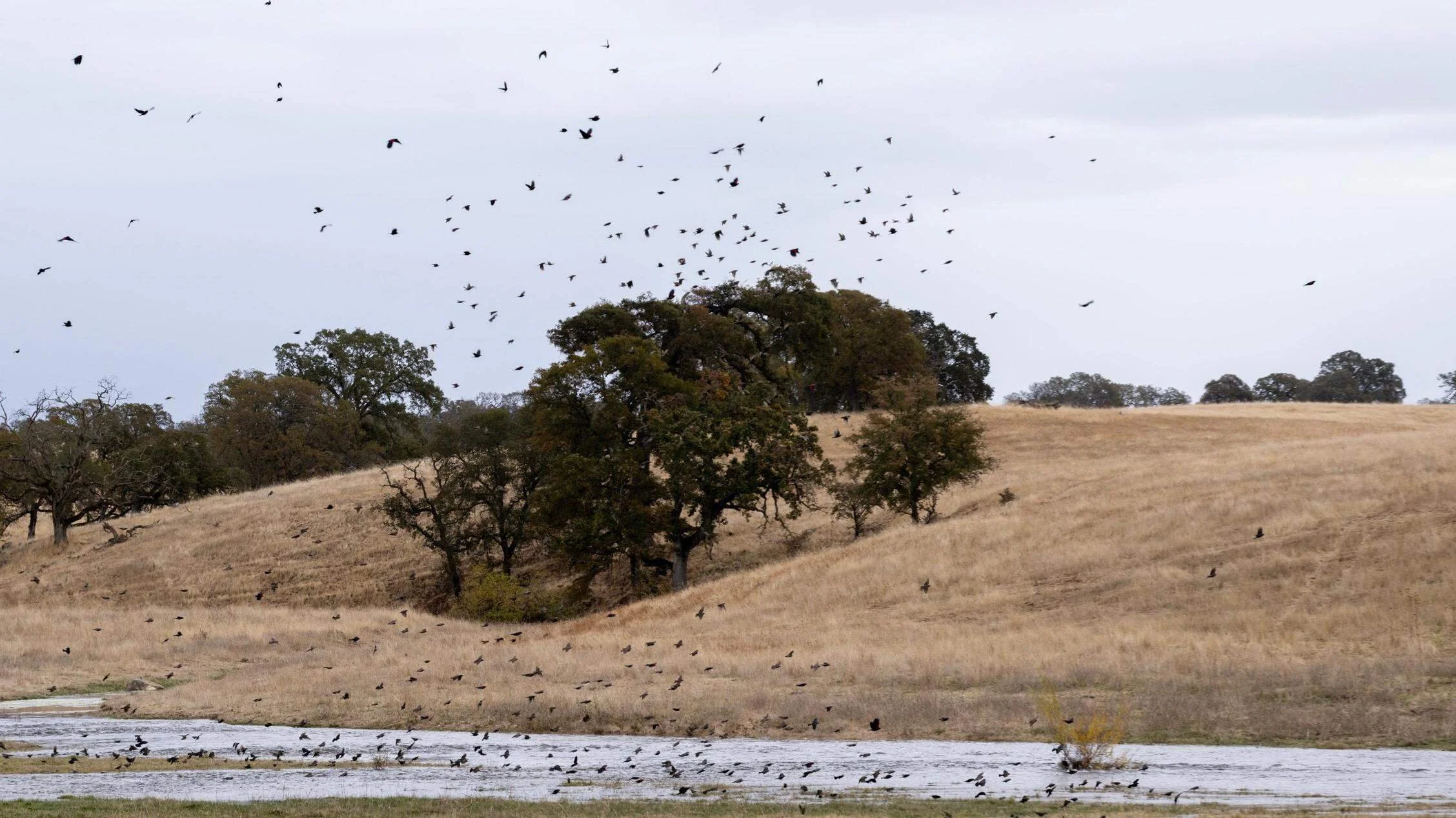
Oak woodland habitats support some of the greatest biodiversity in our state, as many as 300 species of insects, amphibians, reptiles, mammals, and birds. Fairy shrimp can be found in vernal pools throughout the grassland habitats intermixed with oak woodlands! This property is home to habitat for sensitive species including western spadefoot, western pond turtle, nesting colonies of tricolored blackbird (state threatened), golden eagle, burrowing owl (state candidate), Swainson's hawk (state threatened), white-tailed kite, bald eagle (state endangered), loggerhead shrike, Crotch's bumble bee (state candidate), vernal pool fairy shrimp (federally threatened), valley elderberry longhorn beetle (federally endangered), ringtail (state fully protected), and American badger (state species of special concern). Many of these have been observed on the project site.
Rare Plants - This project would impact 25% of known occurrences of spiked western rosin weed (Calycadenia spicata, 1B.3) listed in the California Natural Diversity Database and would be mitigated through the salvage and re-dispersal of topsoil, with no guidelines for the timing or method of salvage, or guidelines for the storage of topsoil. Simply redistributing salvaged soil is unlikely to be effective without explicit protocols and enforceable success standards. Impacts to valley brodiaea (Brodiaea rosea ssp. vallicola, 4.2), which is present within the solar development area, are not disclosed. Populations of the vernal pool associated species pincushion navarretia (Navarretia myersii ssp. myersii 1B.1) and Ahart’s dwarf rush (Juncus leiospermus var. ahartii, 1B.2) are present immediately adjacent to the development area. No monitoring or mitigation measures for valley brodiaea, pincushion navarretia, or Ahart’s dwarf rush are included in the plan.
Prairie City SVRA - The view shed from the Prairie City SVRA to the south would no longer be of California's iconic rolling hills, but of nearly 500,000 solar panels immediately adjacent to the State Park's boundary. The electrical lines connecting the solar development to the distribution lines would run through the south end of the park, and the massive switchyard would be located within the park. Glare from the panels would reflect on the kids track. This development would diminish the beauty of the park for hikers, cyclists, and users of the 4x4, motocross, side-by-side, and other OHV trails and courses in the park, all without proper consultation with the OHMVR Commission and OHV interest groups during project development. This project also threatens the work put into the parks Wildlife Habitat Protection Plan to protect resources in and adjacent to the State Park.
Sacramento County Policies - This project is not consistent with the Sacramento County General Plan. The placement of energy production and distribution facilities or the siting of large-scale renewable energy development projects are not consistent with the Public Facilities Elements. The mitigation measures for the loss of oaks and other native trees are not consistent with the Conservation Elements.
Check out the video produced by Defenders of Wildlife about the site and impacts associated with the project to see what could be lost!**
* note that the FEIR does not disclose which trees proposed for removal in the DEIR would be within the reduced footprint project proposed in the preface to the FEIR, and the number of heritage trees and the sizes of trees proposed for removal in the reduced footprint remains unknown. Without these details there is a distinct possibility that the number of heritage trees and the trees included in this messaging are still proposed for removal.
** note that this video is based on the information presented in the DEIR and does not account for the reduced footprint proposed in the preface to the FEIR